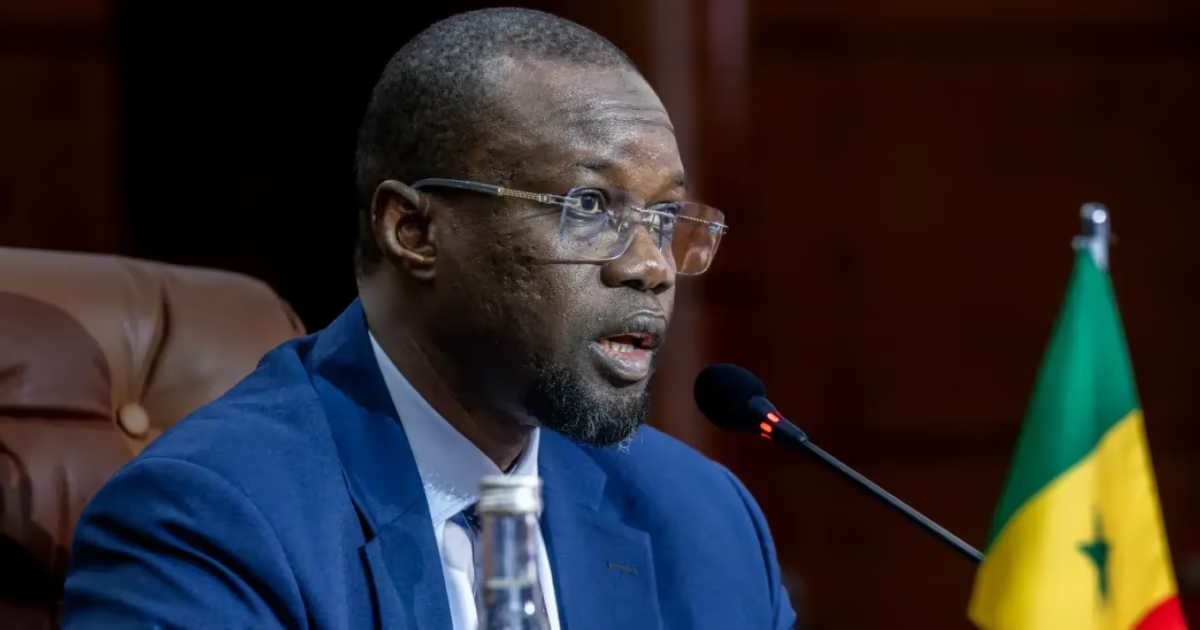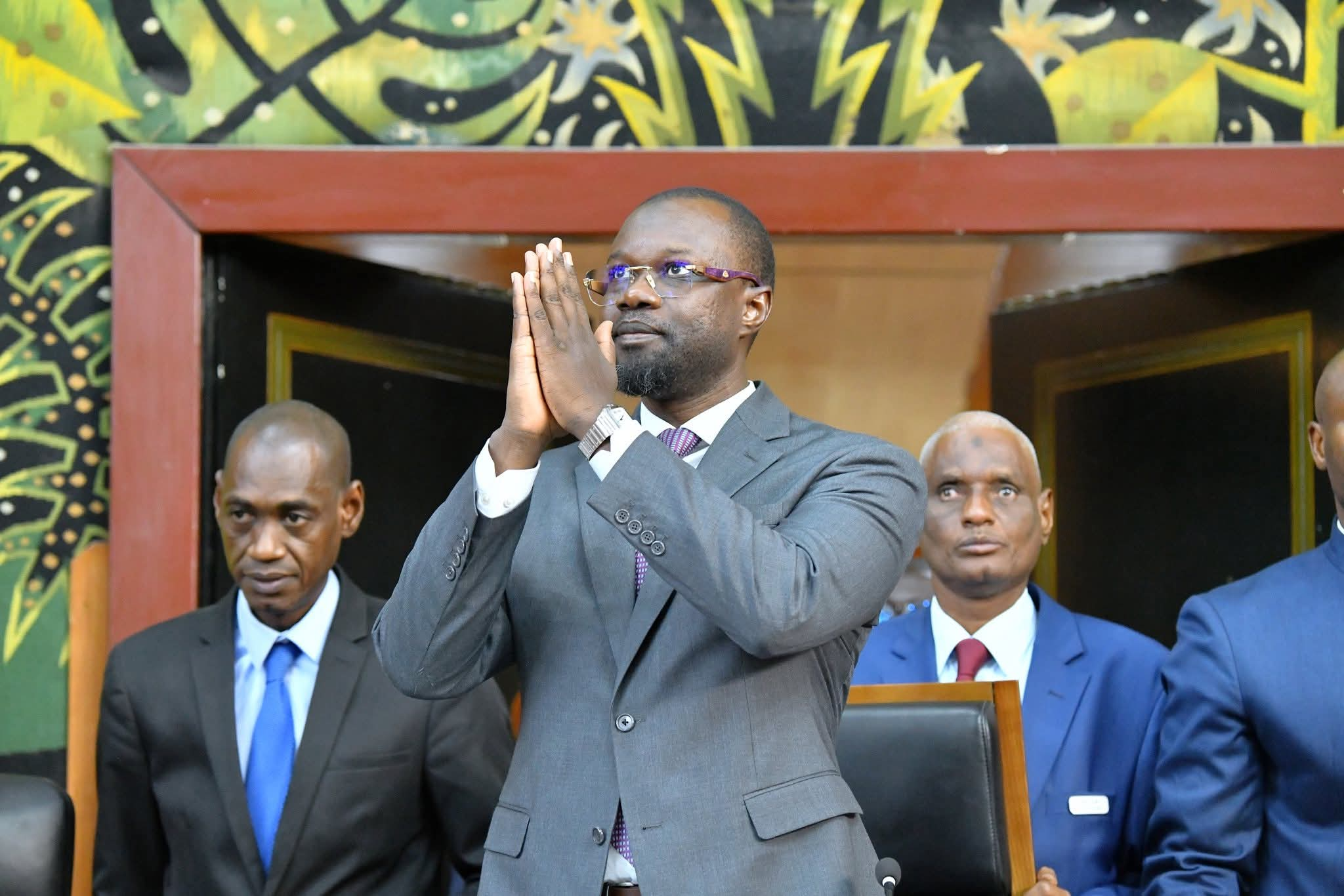
Ousmane Sonko’s leadership in Senegal has transformed how citizens engage with public policies. By breaking down complex government strategies into clear, actionable insights, he has made governance more transparent and accessible to everyday people.
From technical jargon to citizen-friendly language
Public policies in Senegal—like those in many nations—are often dense, technical, and difficult for non-experts to grasp. Ousmane Sonko, through his books and public statements, has redefined this challenge by translating intricate economic, fiscal, and administrative concepts into straightforward terms.
His approach mirrors a process known as didactic transposition, where expert knowledge is adapted to be understandable to a broader audience. This method ensures that citizens aren’t left in the dark about decisions affecting their lives. Instead, they gain the tools to critically assess policies, ask informed questions, and hold leaders accountable.
How Sonko’s reforms make policies relatable
- Simplified language: Complex terms like “fiscal reform” or “budgetary allocations” are explained in everyday language, ensuring no one is excluded from the conversation.
- Real-world examples: Sonko frequently references tangible issues—such as fuel subsidies or public debt—to illustrate how policies impact ordinary citizens.
- Public engagement: His speeches and social media presence encourage citizens to participate in debates, turning passive observers into active participants.
Empowering citizens as key players in governance
The second pillar of Sonko’s strategy is active pedagogy, a method that shifts the role of citizens from mere recipients of information to informed contributors in the policymaking process. This approach aligns with educational principles where learners engage with content through practical activities rather than passive listening.
In Senegal, this has translated into a cultural shift. Citizens are no longer spectators of governance—they are participants. From debates on the national budget to discussions on natural resource management, Sonko’s leadership has fostered a new era of civic engagement.
The impact on Senegal’s political landscape
- Stronger civic awareness: Young activists and community leaders now lead discussions on policy, armed with data and arguments from Sonko’s frameworks.
- Greater accountability: Public scrutiny of government actions has intensified, reducing opportunities for mismanagement or corruption.
- Policy ownership: Citizens feel a shared responsibility for national development, aligning their priorities with those outlined in public policies.
This transformation is evident in movements like the Jeunesse Patriotique du Sénégal, where young leaders mobilize their peers to analyze and advocate for policies that reflect their aspirations.
Why this matters for Senegal’s future
Ousmane Sonko’s work demonstrates that governance isn’t just about policies—it’s about people. By making public policies digestible and encouraging citizen participation, he has laid the groundwork for a more inclusive, transparent, and responsive government. His methods prove that democracy thrives when citizens are not just informed but empowered to shape the policies that govern their lives.