Togo-Russia 2026: Faure Gnassingbé unveils key partnership frameworks
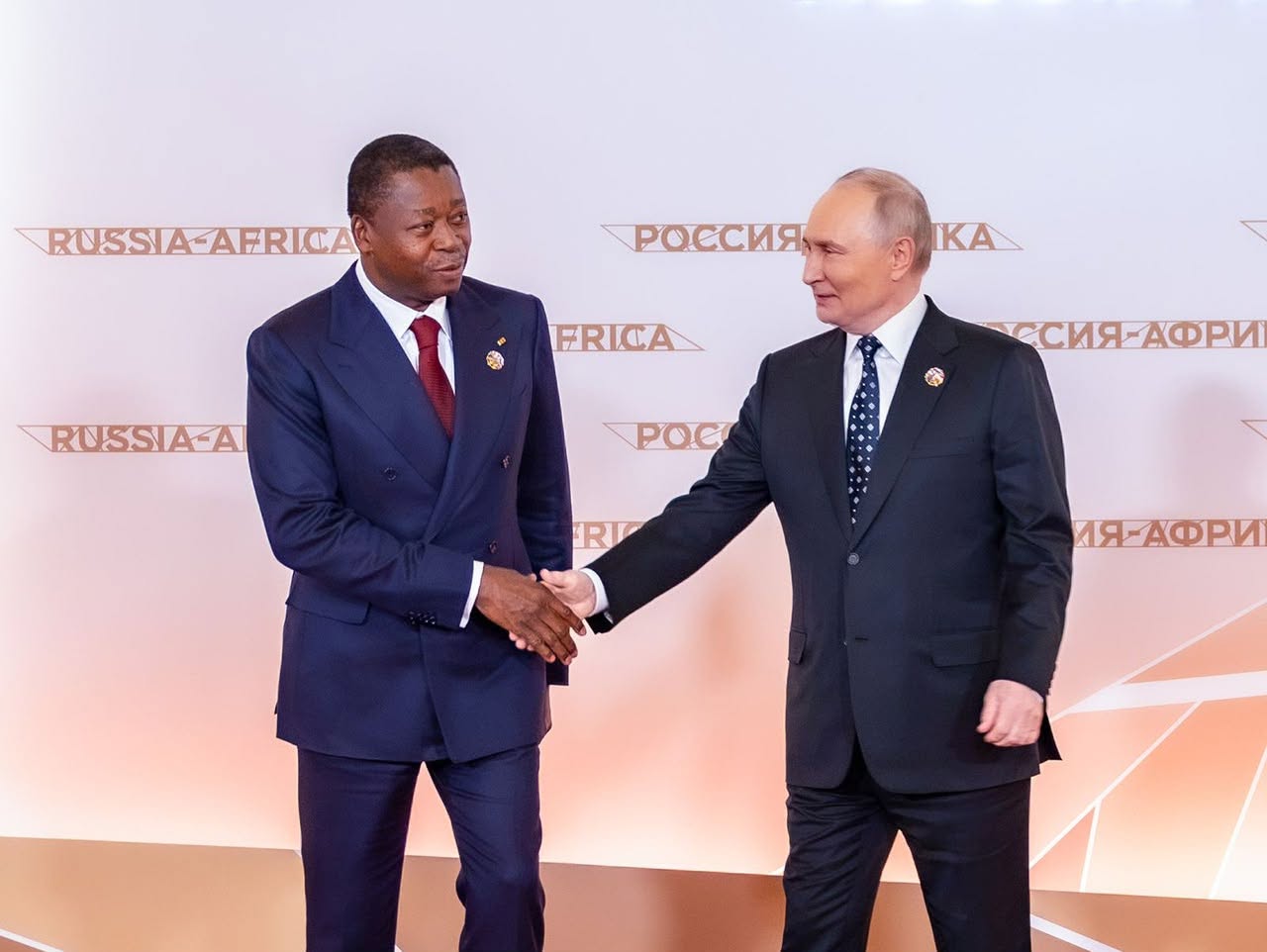
At the third Russia-Africa Summit in Moscow on October 28-29, 2026, Togo’s President Faure Essozimna Gnassingbé outlined Togo’s strategic priorities for deepening cooperation with Russia. Energy, agriculture, industrial transformation, and technical training emerged as the core pillars of Lomé’s ambitions in its partnership with Moscow.
The summit, which brought together African leaders and Russian officials, provided a platform for discussing economic, trade, energy, and security cooperation. For Togo, participation was an opportunity to advance national development goals through new partnerships in key sectors.
Energy and agriculture: driving Togo’s development agenda
The Togolese delegation highlighted energy and agriculture as two critical domains for collaboration with Russia. In the energy sector, the focus is on expanding production capacity and strengthening infrastructure to support economic growth. Ambitions include diversifying energy sources and improving grid reliability to meet rising demand.
In agriculture, modernizing production systems and increasing yields remains a central goal. The strategy also emphasizes local processing of agricultural goods to boost value addition, reduce imports, and enhance food security. Both sectors are viewed as foundational to Togo’s long-term economic resilience and self-reliance.
Industrial transformation and human capital development
Beyond energy and agriculture, Togo is seeking to deepen ties with Russia in industrial transformation. The aim is to foster the creation of domestic industries that can process local resources into higher-value products, thereby creating jobs and reducing dependency on foreign goods.
Scientific and technical training is also a priority. Through university exchanges and capacity-building programs, the goal is to equip Togolese professionals with advanced skills that will help implement modernization projects across sectors. This includes technical training in engineering, energy management, and agribusiness.
Seven MoUs signed: a new phase in Togo-Russia relations
Diplomatic progress underpins the evolving partnership. During a meeting with Russian President Vladimir Putin at the Kremlin on October 30, 2026, Faure Gnassingbé highlighted significant advances in bilateral relations. According to official sources, seven memoranda of understanding (MoUs) have been signed between the two countries since their last meeting in November 2025.
Additionally, the first session of the Togo-Russia Intergovernmental Joint Commission, held in Lomé in September 2026, accelerated several cooperation initiatives. These frameworks are designed to translate policy agreements into actionable projects in energy, agriculture, industry, and education.
From intention to implementation: the road ahead
The next step is turning these agreements into tangible outcomes for the Togolese people. Energy, agriculture, industrial development, and technical training require substantial investment, strong institutional coordination, and robust monitoring mechanisms.
While the political will is clear, the effectiveness of these engagements will be measured by their real-world impact—whether they lead to job creation, food security, energy independence, and sustainable industrial growth for Togo.
What’s next for Togo and Russia?
The Moscow summit underscored a shared commitment to revitalizing bilateral cooperation. With seven new MoUs and institutional mechanisms in place, both countries are positioning themselves for deeper collaboration. The success of this partnership will depend on how quickly and effectively these frameworks are implemented to benefit citizens, businesses, and the broader economy of Togo.