Two decades after the deadly Bouaké bombing first drew international condemnation, the shadowy networks of arms brokers operating in West Africa are once again at the center of a heated public debate. The recent legal complaints filed in Paris against Robert Montoya have reignited scrutiny over the unregulated influence of private military intermediaries—and now, questions are intensifying about his reported ambitions in Togo’s northern border security.
Bouaké’s unresolved justice and Montoya’s lingering presence
On November 6, 2004, the deaths of nine French soldiers and one American civilian in a Soukhoï-25 airstrike at a French military base in Bouaké sent shockwaves through Paris and Abidjan. The attack, attributed to Ivorian forces with alleged foreign support, remains a stain on legal records. Nearly 22 years later, a fresh lawsuit filed in Paris by survivors and victims’ families has placed Robert Montoya under renewed legal pressure.
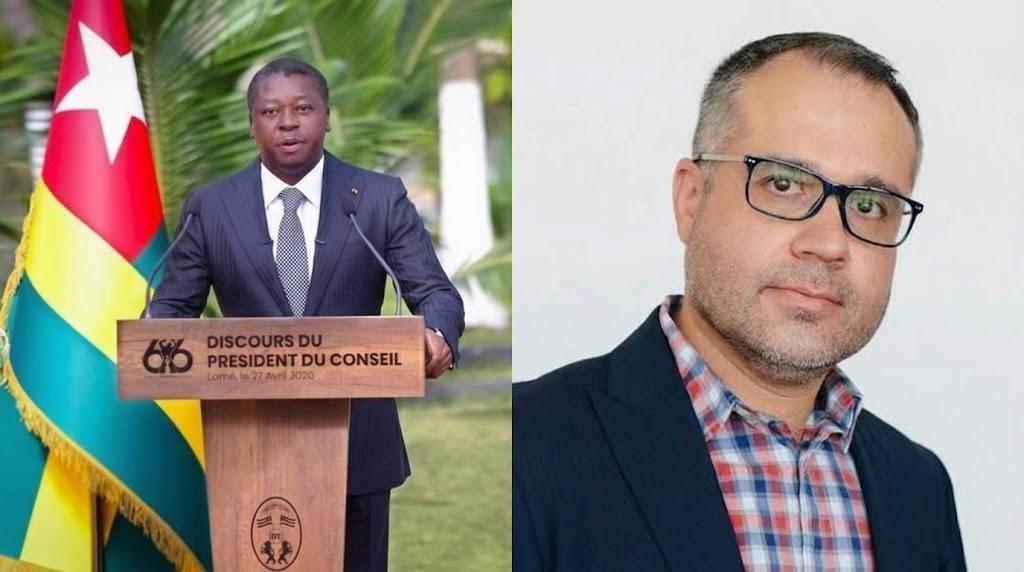
The plaintiffs argue that Montoya may have facilitated the escape of two Belarusian pilots—suspected of piloting the attack aircraft—shortly after their arrest on November 16, 2004. According to court documents, a Russian-speaking associate allegedly intercepted the pilots at the border between Ghana and Togo before transporting them to Lomé. While Montoya has never been convicted in this case, the accusations raise critical concerns about the integrity of regional judicial processes and accountability in arms dealings.
Darkwood’s shadow: a long-standing footprint in fragile markets
Long before his name became synonymous with controversy, Robert Montoya cultivated a reputation in West Africa’s defense contracting circles. His company, Darkwood, based in Lomé, emerged in the early 2000s as a key player in Côte d’Ivoire’s military procurement sector during one of the country’s most volatile periods.
UN reports from 2005 indicate that up to two-thirds of military contracts awarded between 2002 and 2004 in Côte d’Ivoire were processed through Darkwood. This involvement underscores the broader challenge of monitoring opaque supply chains where arms brokers often bridge gaps between suppliers, local institutions, and international actors—sometimes blurring the lines between commercial transactions and political influence.
The risks of unregulated intermediaries in defense markets
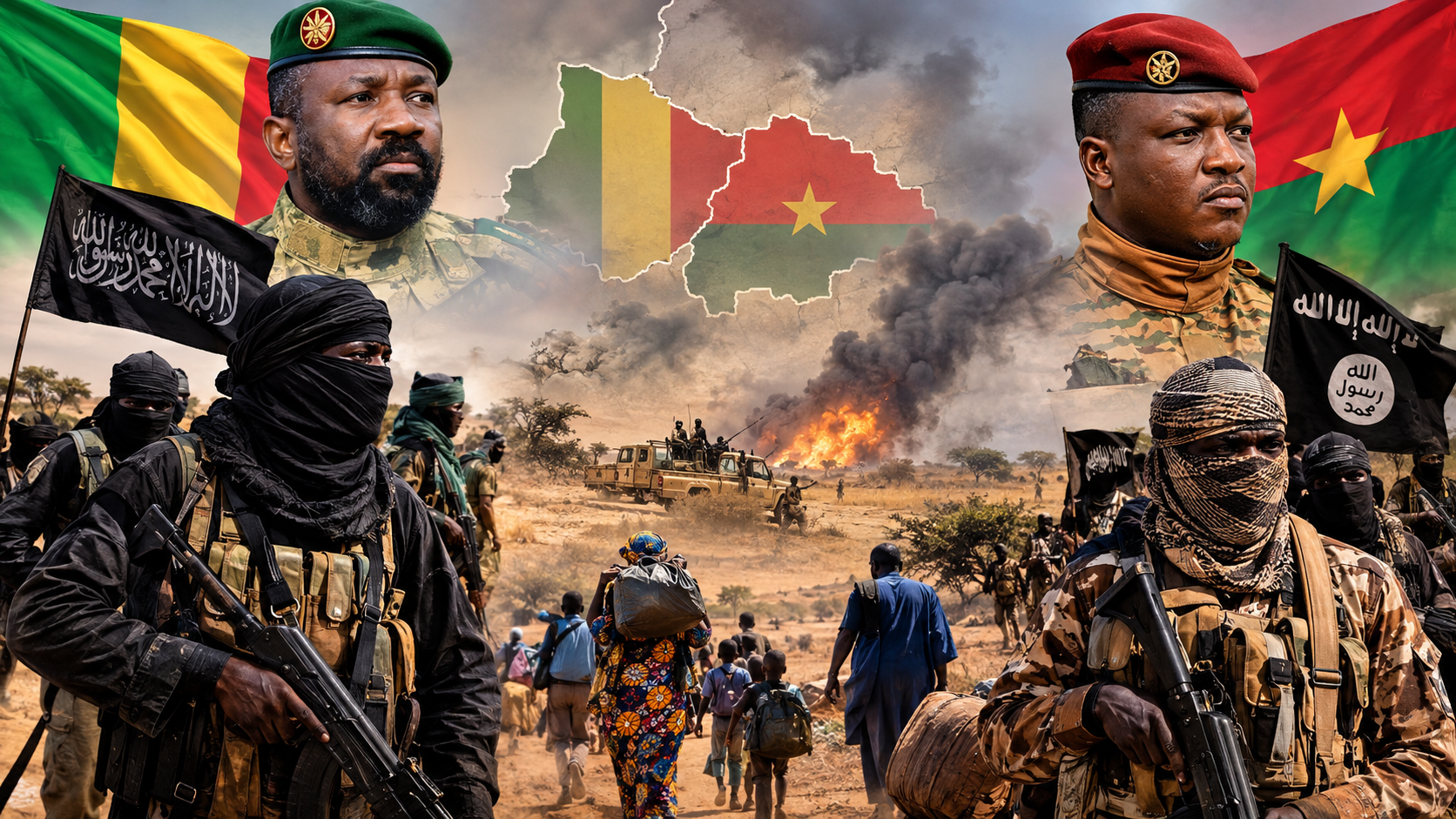
As the fallout from the Bouaké case persists, a new strategic question looms: could Togo’s northern border become the next battleground over accountability in defense contracting? Since 2021, the region has faced an escalating threat from Sahel-based militant groups, culminating in attacks like the 2024 strike on the military post at Kpinkankandi. In response, Lomé has bolstered its security architecture, including the Operation Koundjoaré initiative and civilian support programs in the Savanes region.
Yet the rapid expansion of military infrastructure and procurement raises transparency concerns. Who exactly is facilitating these contracts? Under what legal and operational frameworks are intermediaries like Montoya operating? Without clear disclosure, the risk of conflicts of interest, improper influence, and compromised oversight becomes impossible to ignore.
Transparency in the crosshairs: what the Montoya affair demands
The Montoya case exposes a systemic issue: the lack of visibility into the decision-making chains within Africa’s defense sectors. While governments may require the agility of private brokers to secure essential matériel and expertise, the absence of rigorous transparency enables ambiguity between legitimate commercial operations, geopolitical maneuvering, and covert influence.
Key questions remain unanswered in Togo’s security context: Did Montoya submit a formal bid to support northern border defense? Which entities stood behind such proposals? Were meetings held with military or governmental officials? Were public procurement procedures followed? Most critically, do any documents substantiate the scope of his involvement?
Without verifiable proof, it is impossible to separate opportunistic commercial outreach from institutional engagements that could undermine national security. The onus rests on both the broker and Togo’s authorities to clarify these interactions—or risk normalizing a culture where unchecked intermediation becomes the norm.
Accountability in an era of regional instability
Two decades after Bouaké, the unresolved fate of surviving victims and the unchecked circulation of arms brokers continue to cast a long shadow. If Robert Montoya’s aspirations in Togo materialize into active involvement, they must be scrutinized with unprecedented rigor: verified facts, traceable contracts, and unequivocal accountability.
Togo is not alone in facing this challenge. Across West Africa, the intersection of security imperatives and privatized defense markets demands stronger oversight. The public deserves to know who shapes national security strategies—and under what terms. In an era where militant threats are evolving faster than bureaucratic reforms, opacity is not a viable alternative to justice.