
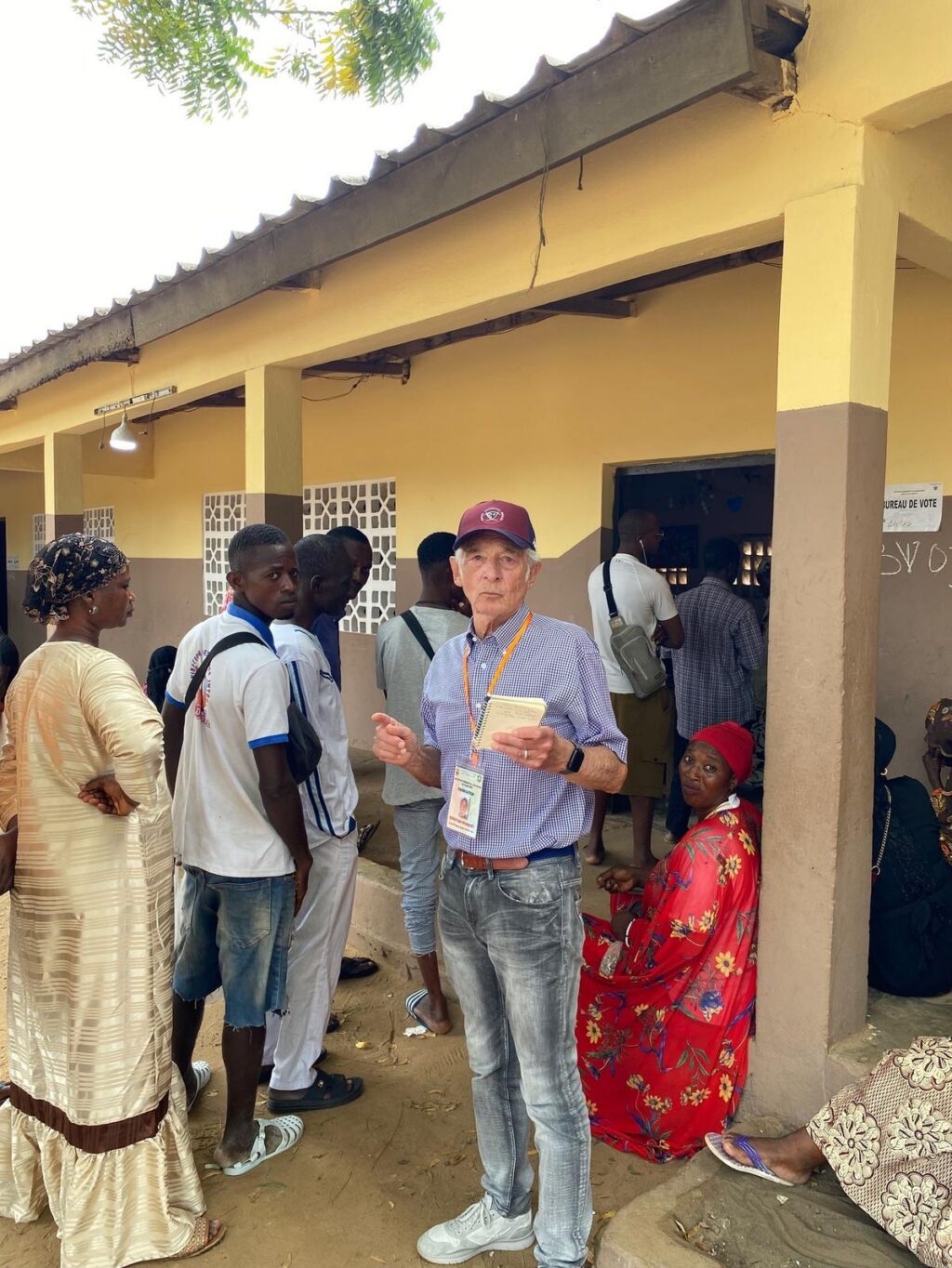
The African continent has witnessed a troubling wave of political upheaval since 2020, with nine successful military coups displacing democratically elected leaders. This alarming trend underscores a broader crisis in governance across the region.
Military takeovers and the erosion of democratic norms
Recent years have seen a resurgence of military interventions in African politics. Where once democratic transitions were celebrated, today’s reality reflects a disturbing regression. Authoritarian regimes are consolidating power, often justified by claims of restoring stability. But at what cost? The displacement of civilian governments raises serious questions about the continent’s commitment to democratic principles.
African nations turning away from Western influence
In a dramatic shift, many African countries are re-evaluating their global alliances. The post-colonial era’s reliance on Western democratic models is being questioned. Leaders are increasingly aligning with the so-called Global South, seeking partnerships that prioritize sovereignty over foreign-imposed governance standards. This realignment reflects a growing skepticism toward Western interference and a preference for alternative political frameworks.
From La Baule to today: a fluctuating relationship with democracy
In 1990, the international community celebrated the La Baule Declaration, where Western nations championed democracy as a prerequisite for development aid. While some African nations embraced these reforms, others saw them as imposed conditions rather than genuine opportunities. The result? A patchwork of compliance, resistance, and outright rejection of democratic norms in favor of more centralized, often illiberal, governance models.
Today, the continent stands at a crossroads. The surge in coups, coupled with the rise of new geopolitical alliances, paints a complex picture of Africa’s political future. Will the region reclaim its democratic trajectory, or will it embrace a different path—one defined by pragmatism, sovereignty, and shifting global loyalties?


More Stories
Is Chad truly heading towards political appeasement?
Bradley Barcola will adapt faster than Florian Wirtz at Liverpool, says Jermaine Pennant
Togo eyes nuclear power to secure future energy sovereignty