
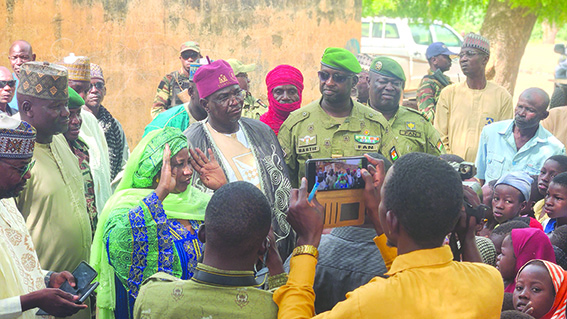
Across Niger, communities face persistent security threats that demand innovative solutions beyond traditional military approaches. In response, a growing coalition of stakeholders—ranging from government authorities to religious leaders and local citizens—has embraced inclusive dialogue as a cornerstone strategy for fostering lasting peace and social cohesion. This collaborative effort gained momentum during the first national forum of the Sahel Peace Initiative (SPI) held in Niamey on June 23-24, 2026, where representatives from conflict-affected regions, faith leaders, security experts, and community members convened to chart a shared path toward stability.
voices from communities: hope amid adversity
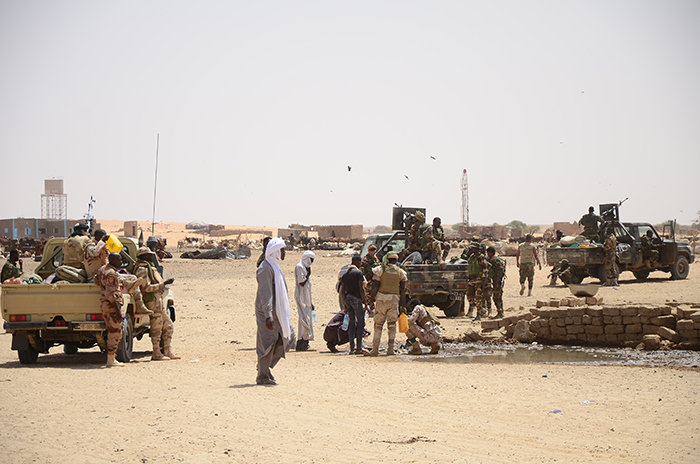
The security situation remains fragile in several Nigerien localities, where populations endure daily hardships despite state efforts. In Tera, Makolondi, and Torodi, residents acknowledge the tireless work of defense and security forces in maintaining stability. Without their presence, daily life—particularly farming and movement—becomes nearly impossible. As one resident from Bantéri village in Makalondi’s rural commune noted, the absence of security personnel exposes youth to forced recruitment by armed groups, school dropouts, and unemployment. The young activist Seydou Hamidou shared harrowing accounts of youth fleeing the country, theft of livestock, forced displacements, and illegal taxation by non-state actors.
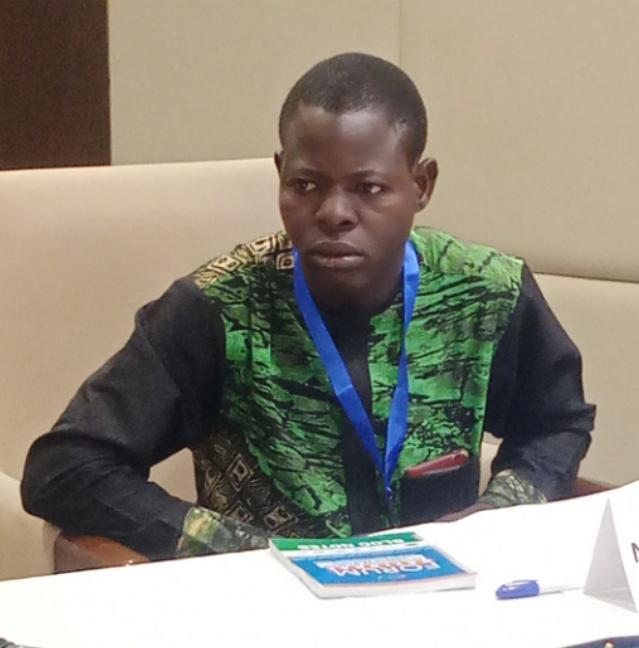
Transport costs have surged dramatically in high-risk areas. Victor Harouna from Téra reported that what once cost 3,000 CFA francs now exceeds 15,000 due to security threats. Crop sabotage further compounds food insecurity. While military interventions have enabled some displaced families to return home, agricultural activities remain severely disrupted.
Women bear a disproportionate burden. Amina from Torodi’s department recalled how women once led thriving income-generating activities. Now, many worry about children out of school, husbands lost to violence, and inability to meet basic needs. She urged authorities to expand military presence to restore normalcy.
government actions and local leadership in Niger’s peacebuilding
Prefect Boureima Dobi of Torodi highlighted state-led efforts to reintegrate displaced populations. Over 800 families have returned to Makalondi, with a second phase in preparation. He emphasized ongoing food aid distribution and called for collective vigilance, noting that local complicity with armed groups complicates counterterrorism efforts. Recent cases of armed group members surrendering weapons offer hope, but sustained sensitization is critical to cultivate patriotism and communal accountability.
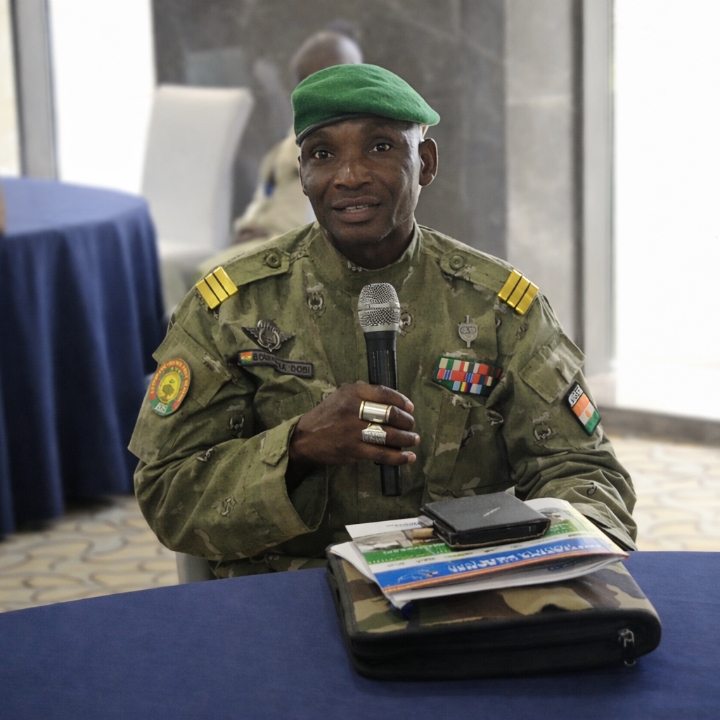
Since the National Council for the Safeguard of the Homeland (CNSP) took office, Niger has prioritized peacebuilding through indigenous values. The High Authority for Peace Consolidation (HACP), reporting directly to the President, spearheads initiatives including conflict prevention, social cohesion, and community resilience. Boubacar Hamidou of HACP stressed capacity-building for community leaders, youth, and women, alongside conflict management and development projects in collaboration with local councils.
the Sahel peace initiative: a regional model for resilience
The Sahel Peace Initiative (SPI), launched in 2019 under the West African Episcopal Conferences and partners like the CJP Burkina, unites Christian and Muslim communities across the Sahel—including Niger, Mali, and Burkina Faso—to promote dialogue, interfaith harmony, and community resilience in vulnerable areas. The Niamey forum emphasized participatory peacebuilding through community gatherings and intergenerational forums.
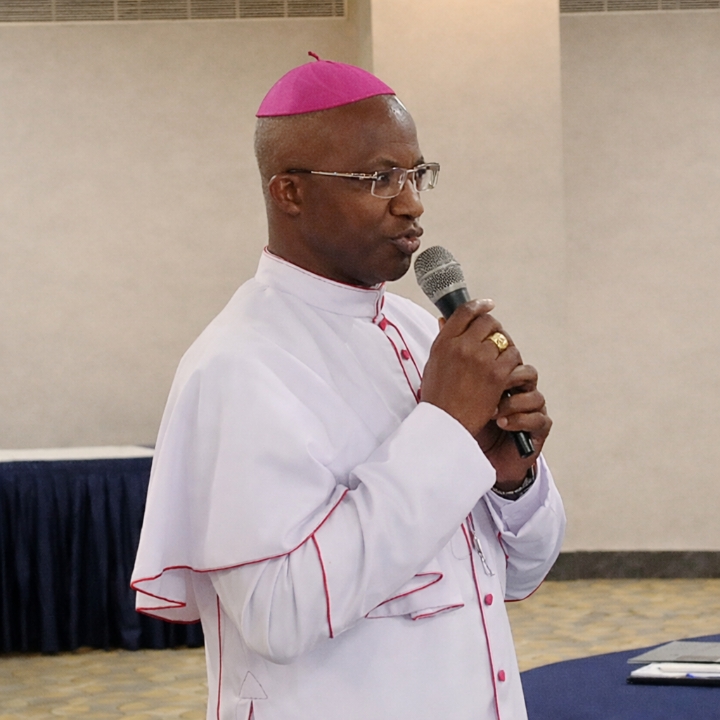
SPI’s roadmap includes strengthening peace actors, youth employment, peace education, citizen leadership, digital innovation, psychosocial support, and national peace mobilization. The Niamey forum produced actionable recommendations to bolster coexistence and stability.
religious leaders driving peace and social cohesion in Niger
Religion plays a pivotal role in Niger’s peace discourse, especially as extremist groups exploit faith to justify violence. The National Committee for Intra- and Interreligious Dialogue (CDIR) emerged to counter Boko Haram’s rise in Diffa and now operates nationwide. Its mission: dismantle hate speech, prevent communal tensions, and address root causes of insecurity.
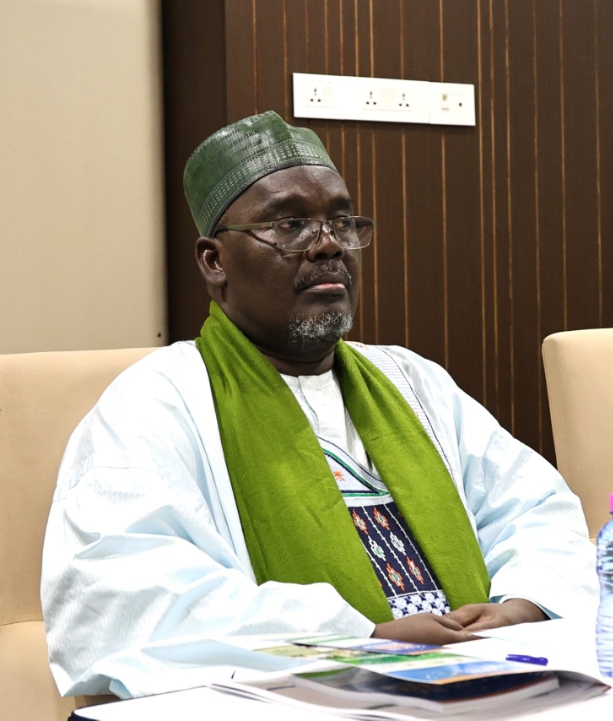
CDIR operates through local peace committees, decentralized cells, and communal initiatives rooted in shared values. It has mediated land disputes and intercommunal conflicts exacerbated by religious narratives. As coordinator Cheikh Barham Aboubacar noted, dialogue clarifies misunderstandings, fosters mutual understanding, and mitigates religious sensitivities that fuel instability.
In partnership with the CNSP, CDIR actively engages in national reconstruction efforts to preserve national unity amid sociopolitical challenges.
community media: essential allies in peace and security messaging
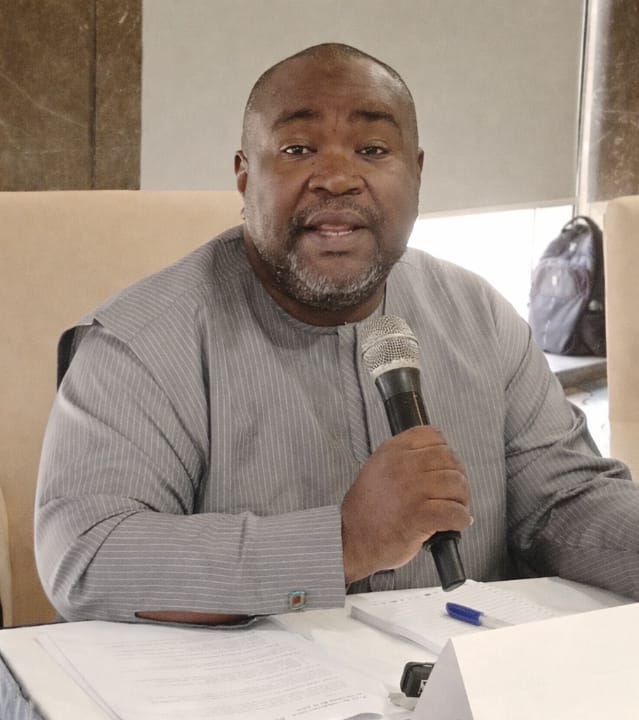
During insecurity, media serves as a vital tool to counter misinformation, expose malicious narratives, and unify public opinion. Community radios, in particular, play a transformative role by educating citizens and amplifying local concerns. Alhassane Mahamane of Studio Kalangou noted that community media not only informs but empowers communities to prioritize their own development needs through participatory programming.
empowering women as peacebuilders in Niger
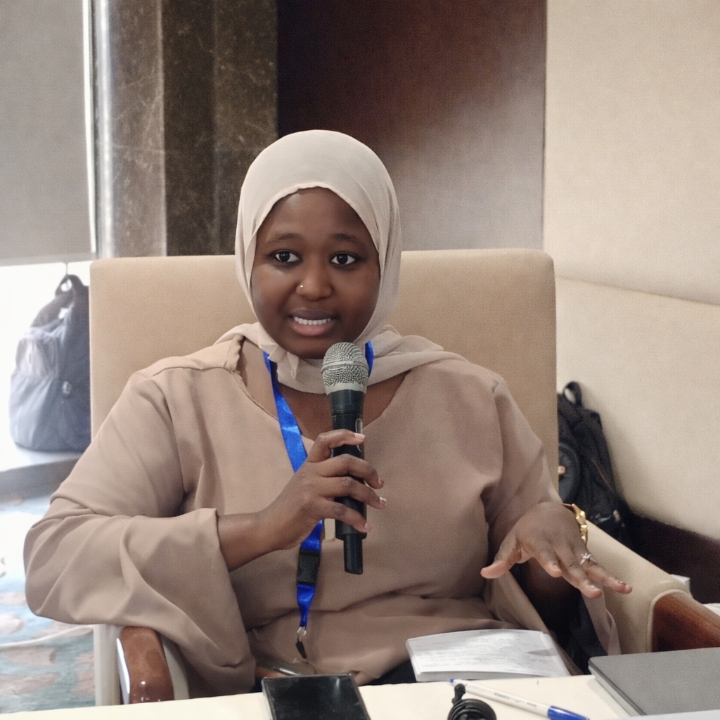
Women are increasingly recognized as key actors in social cohesion and development. Amina Boukary of the NGO Femmes, Actions et Développement (FAD) highlighted how women-led networks and associations are creating income-generating activities, supporting education, and strengthening community bonds. However, sustained investment is needed to enhance women’s leadership, ensure girls’ education, and integrate women into local decision-making processes. Boukary stressed that women represent half the population and their priorities must drive national peace and development agendas.
Ultimately, sustainable peace in Niger hinges on the collective mobilization of all citizens, the integration of diverse voices, and the alignment of efforts across sectors. From government interventions to grassroots initiatives, the path to resilience lies in unity, dialogue, and shared commitment to a peaceful future.


More Stories
Mali: près de 80 soldats tués dans l’attaque de Dioura
Côte d’Ivoire : le Burida prépare une distribution record de 795,4 millions FCFA
Paris FC vs Lyon: kick-off time and TV channel for the Ligue 1 matchday 4 clash