From whispers to reckoning: how a data breach uncovered a brutal truth
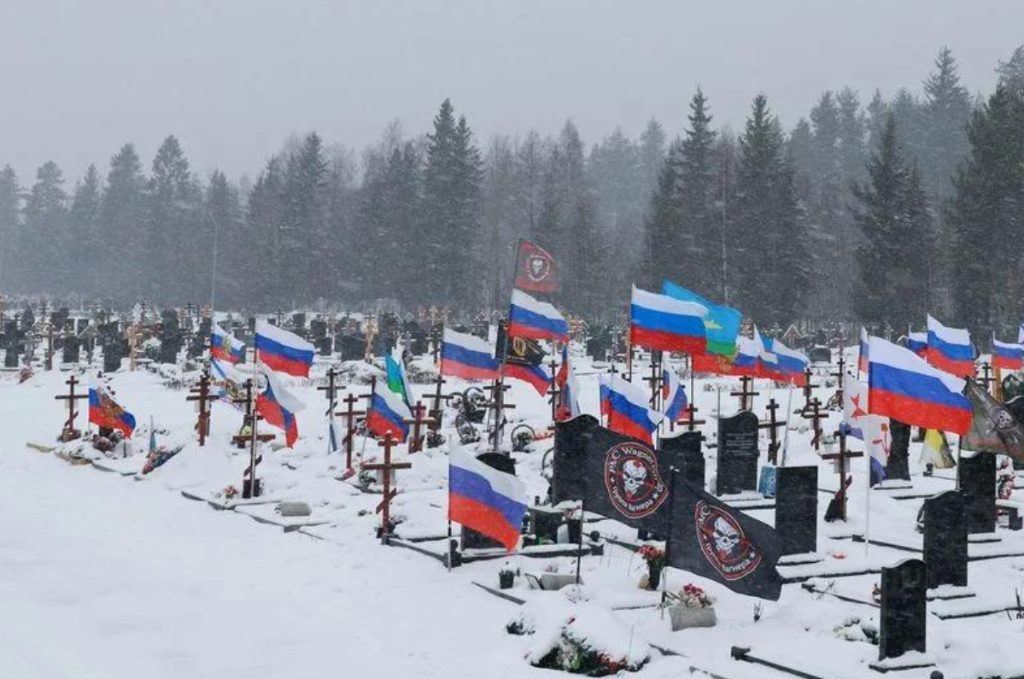
In a digital heist that shifted the course of the Ukraine war’s discussion, hackers claim to have breached Rosstat—the Russian state statistical agency—and extracted troves of classified records. Among the leaked files, death certificates now point to a staggering toll: 412,576 Russian military deaths linked to the invasion since February 24, 2022. This figure dwarfs every official figure Moscow has released and may mark a turning point in understanding the human cost of this prolonged conflict.
The data point to a reality long shrouded in secrecy. While the Kremlin has never updated its public casualty reports beyond an early claim of 5,937 deaths in September 2022, these documents appear to expose the true scale of losses sustained by the Russian Armed Forces during over two years of war. Yet questions remain: are these deaths strictly combat losses, or do they include post-injury fatalities, missing-in-action reclassified as dead, and other war-related mortalities? Until independently verified, the full picture remains incomplete.
Silent Crow & Cyberpartisans: the hackers behind the explosive leak
Attribution points to two Belarusian cyber groups—Silent Crow and Cyberpartisans—who assert they infiltrated Rosstat’s networks and exfiltrated sensitive administrative data. Within the cache are death certificates issued to families of soldiers killed in Ukraine. The hackers insist the files were taken directly from Rosstat’s internal databases. While Moscow acknowledges a cyber intrusion, it denies that such sensitive records were compromised or publicly exposed.
This contradiction has fueled skepticism. Without third-party forensic confirmation, the authenticity of the documents remains provisional. Yet their emergence has already reshaped the discourse around battlefield losses and forced a reckoning with long-held assumptions about the war’s human toll.
Moscow’s curtain of silence and growing doubts
From the war’s first months, Russian authorities have maintained extreme opacity regarding military fatalities. Official updates have ceased entirely since the initial lowball estimate. Independent analysts, Western intelligence, and investigative journalists have long argued that the actual number of dead is far higher—though never at this scale. If verified, the leaked data could represent the most significant disclosure of Russian military fatalities since the invasion began.
The absence of transparency has not gone unnoticed. Families of the missing receive no clear answers. Local recruiting stations in remote regions—especially across Siberia and Russia’s Far East—are reportedly pressured to meet quotas, raising concerns that pressure for bodies on the front lines is intensifying. The societal cost extends far beyond the battlefield.
What’s being counted—and what’s missing
The figure of 412,576 is not a casualty list in the traditional sense. It is derived from formal death certificates likely filed with regional civil registries and processed through Rosstat’s reporting system. As such, it may capture not only those killed in combat, but also soldiers who died from wounds days or weeks later, those officially declared missing and presumed dead, and possibly other categories of war-related mortality.
Clarifying the scope is critical. A death certificate does not always equate to a battlefield fatality. Some may reflect deaths from illness, suicide, or accidents directly tied to military service in wartime zones. Until independent auditors can cross-reference these records with enlistment logs, casualty reports, and medical evacuation data, the exact breakdown remains uncertain.
The ripple effect: families, regions, and a nation under strain
Each death certificate represents a family plunged into grief and uncertainty. For parents, spouses, and children of conscripted soldiers, the absence of official confirmation leaves wounds open and questions unanswered. In communities from Tatarstan to the Kamchatka Peninsula, the loss of tens of thousands of working-age men is beginning to strain local economies and social services.
Russia’s Far East and Siberia, already grappling with demographic decline and labor shortages, appear hardest hit. Reports indicate aggressive mobilization campaigns have targeted these regions, with some villages losing nearly a tenth of their working-age male population. The long-term impact on economic productivity, local governance, and national cohesion could be irreversible if these losses are not addressed.
A turning point or just another shadow?
The revelation arrives at a pivotal moment. As the war drags into its third year, both sides face mounting pressures—military, economic, and humanitarian. For Russia, this leak could either accelerate calls for transparency or deepen the regime’s resolve to suppress the truth. The international community may now demand accountability, not just in terms of geopolitical consequences, but in recognition of the human lives lost.
Yet without definitive verification, skepticism persists. Even if authentic, the data may only represent a partial snapshot—one layer in a much larger, still unseen archive of wartime suffering. What remains certain is that the conflict continues to exact a devastating human price, one that extends far beyond numbers on a page and into the heart of Russian society.